Safe Opening in Paris
Can't get into your safe — dead battery, lost key, or a combination no one remembers? An English-speaking safe locksmith can open it, in most cases without damaging it. Send a photo and we'll tell you how.
Send a photo of your safe on WhatsApp — the make, model and keypad tell us a lot, and we can usually give you an estimate before anyone travels.
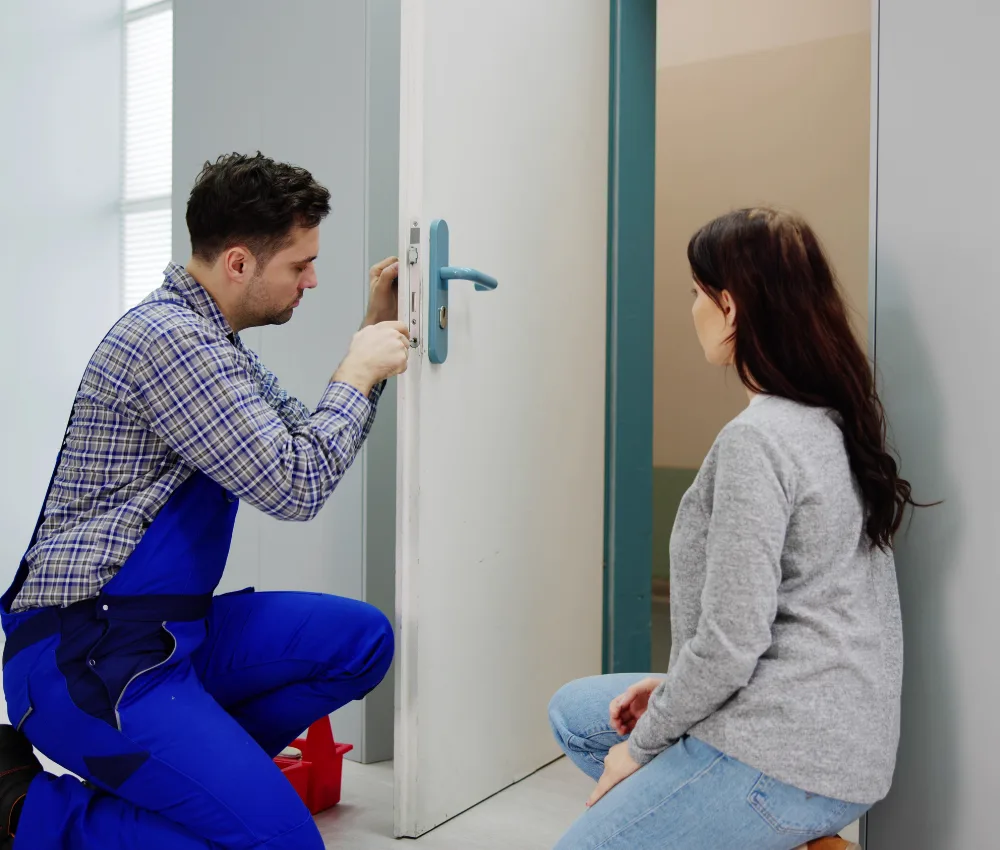
Why a safe suddenly won't open
A locked-out safe is rarely a broken safe. Far more often it's something ordinary — and almost always fixable without writing off the contents.
The most common cause we see, by a wide margin, is a flat battery on an electronic safe. When the cells powering the keypad die, the lock simply stops responding even though your code is perfectly correct — and many people don't realise a hotel-style or home safe even has a battery to change. Close behind are a lost or broken override key (the physical key that backs up the keypad), and a forgotten combination on an older mechanical dial safe that hasn't been touched in years.
Then there are the life events. We're regularly called to safes inherited after a death, found in a newly bought or rented property with no code left behind — a Paris apartment, a holiday home near Nice, an office in Lyon — or locked by a previous occupant who has long since moved on. Occasionally a safe goes into penalty lockout after too many wrong codes, or the bolt-work jams. Whatever the cause, the calm first step is the same: tell us what you've got, ideally with a photo, and we'll talk you through the options.
Non-destructive first, always
A good safe locksmith tries the least invasive method that fits your safe and your budget — not the quickest one for them.
The simple fixes first
On many electronic safes the answer is a fresh battery and your existing code, or opening with the override key. These are quick, cheap and leave the safe completely intact and reusable.
Manipulation & bypass
Where there's no key or code, a skilled locksmith can often open the lock non-destructively — by manipulating the mechanism or using a bypass. It takes patience, but the safe survives and can be re-keyed.
Forced opening, when needed
For high-security safes or a true emergency, drilling may be the realistic option. It's done precisely, at a known point, and we'll always tell you first whether the safe can be repaired and recertified afterwards or is best replaced.
Which route fits depends on the make, the model and how the safe is locked — exactly what a photo on WhatsApp lets us judge in advance.
Safes & brands we work with
From a small keypad safe bolted into a wardrobe to a heavy office strongbox, our partner locksmiths handle domestic and commercial safes alike.
That includes electronic and mechanical home safes, hotel-style room safes, fireproof document safes, and office and retail deposit safes. On the brand side we regularly work with names you'll recognise — Fichet, Yale, Phoenix and Hartmann among them — as well as the unbranded keypad safes sold widely across France. If you can read a make and model plate inside the door or on the back, share it; if not, a clear photo of the front and keypad usually tells us what we need.
For everyone's protection, the locksmith may ask for ID and reasonable proof that the safe is yours to open — a tenancy or purchase document, for example. It's a standard, sensible step, especially on inherited safes or those found in a new home.
Locked out of your safe?
Tell us what you're dealing with in English and we'll get the right safe locksmith to you — most jobs start with a quick photo.
Common questions about opening a safe
Get your safe open
One English-speaking call, or a quick photo on WhatsApp, and we'll tell you exactly how we'd open it.